Altitude's Subtle Sway on Scoring Rates and Betting Lines in High-Elevation Football Encounters
Written by Theo Walter · Jul 15, 2026
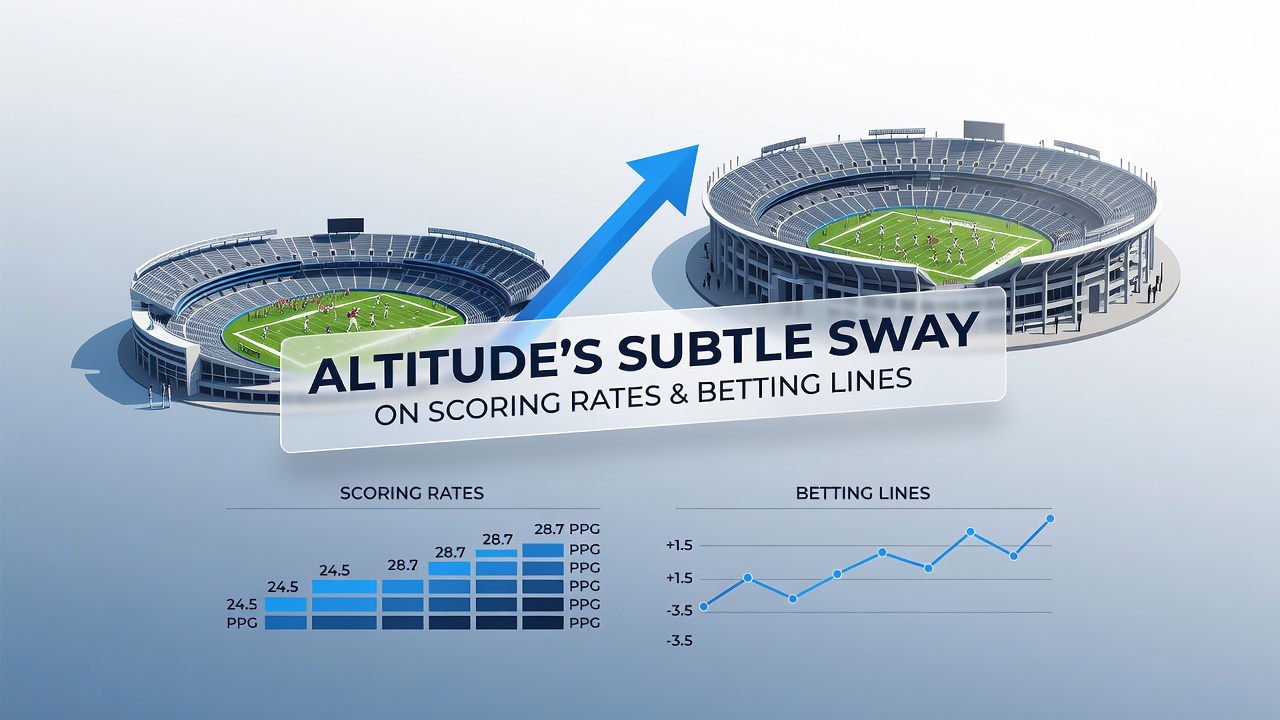
Altitude's Subtle Sway on Scoring Rates and Betting Lines in High-Elevation Football Encounters
High-elevation venues create distinct conditions that reshape how matches unfold and how markets price outcomes. Venues such as Bolivia's Hernando Siles Stadium in La Paz sit above 3,600 meters while Mexico City's Estadio Azteca rests near 2,240 meters; both locations alter oxygen availability, ball trajectory, and player recovery rates. Observers note that these physical factors produce measurable shifts in goal tallies and prompt bookmakers to recalibrate totals and handicap lines ahead of kickoff.
Physiological Pressures at Elevation
Reduced partial pressure of oxygen forces athletes to work harder for the same workload, and researchers have documented faster onset of fatigue plus slower lactate clearance during ninety-minute contests. A study from the University of Colorado School of Medicine tracked heart-rate responses and found elevated readings persisting throughout the second half when teams competed above 2,500 meters. Meanwhile the thinner air allows the ball to travel farther on long passes and shots, yet players who arrive from sea-level clubs often require several days of acclimatization before they regain full explosive capacity.
Scoring Patterns Across Leagues
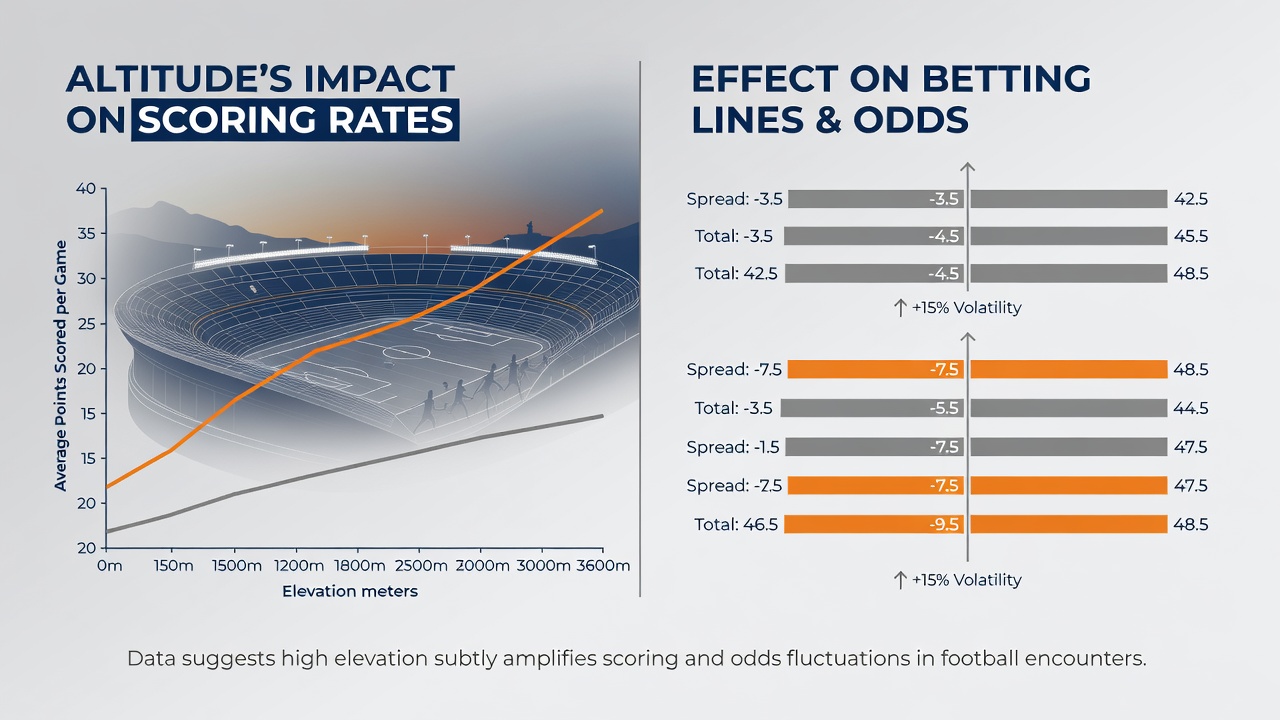
Match data compiled by CONMEBOL across Copa Libertadores fixtures shows average goals per game drop by roughly 0.4 when one side travels from below 500 meters to venues exceeding 2,800 meters. Home sides at these altitudes record higher clean-sheet percentages, while visiting teams register fewer shots on target after the sixtieth minute. In the Mexican Liga MX, clubs based at altitude post stronger home records over ten-season samples, and totals markets close lower for games staged in Mexico City compared wth matches at coastal stadiums. These patterns emerge consistently because visiting squads expend extra energy simply maintaining position and pressing intensity.
Betting Market Adjustments
Oddsmakers incorporate historical scoring data and travel schedules when they set totals. Lines for over 2.5 goals frequently open at lower prices for La Paz or Quito encounters, and live betting volumes often shift toward under markets once the first half reveals slower tempo. Handicaps also move because home teams receive larger goal advantages in pre-match pricing; data from European and South American bookmakers reveal that these adjustments stabilize within twenty-four hours of team announcements. A report issued by the Australian Institute of Sport examined travel logs and concluded that teams crossing multiple time zones into high-altitude venues experience an additional performance decrement that further influences early line movement.
Case Examples From Recent Seasons
During the 2025 Copa Libertadores group stage, River Plate traveled to Bolívar and managed only four shots on target despite dominating possession; the match finished 1-0 and triggered a rush of under bets in the final twenty minutes. In July 2026 several South American nations will host World Cup qualifiers at similar elevations, and preliminary market previews already show totals lines sitting 0.25 goals below comparable sea-level fixtures. Observers tracking these trends point to consistent patterns rather than isolated anomalies, because multiple seasons of data reinforce the same directional shifts.
Player Preparation and Tactical Responses
Coaching staffs now integrate altitude simulation tents and staged arrival schedules to blunt the effects. Teams that spend at least seventy-two hours at elevation before match day post higher expected-goal values according to tracking data released by Opta. Managers also adjust pressing triggers and reduce high-intensity runs in the opening half, preserving energy for later periods when opponents begin to tire. These tactical tweaks appear in lineups and pre-match briefings, giving bettors additional context when they evaluate live totals after the break.
Conclusion
Altitude imposes measurable constraints on scoring volume and forces systematic recalibration of betting lines. Data from domestic leagues and continental competitions demonstrate that markets price these variables through adjusted totals and handicap spreads. As fixtures at elevation continue to feature in major calendars, the interplay between physiology, tactics, and pricing remains a central element for anyone analyzing outcomes in these environments.