Bench Strength Battles: Rotation Patterns Reshaping Totals Markets in Extended Tournament Runs
Written by Theo Walter · May 20, 2026
Bench Strength Battles: Rotation Patterns Reshaping Totals Markets in Extended Tournament Runs
Extended tournament runs place unique demands on squads, and bench strength often determines whether goal tallies climb or drop once matches accumulate. Teams that progress deep into competitions such as the UEFA Champions League or domestic cup ties frequently adjust lineups to manage player workload, and those adjustments directly influence the totals markets that bettors track across multiple rounds. Data from recent seasons shows that average goals per game can shift by as much as 0.6 when managers rotate more than four starters between consecutive high-stakes fixtures.
How Squad Depth Influences Goal Output
Coaches with strong benches maintain attacking patterns even when key players rest, while shallower squads tend to tighten defensively and produce fewer scoring opportunities. Observers note that clubs advancing past the quarterfinal stage in major European competitions record higher goal averages when they possess at least two viable options in each positional group. Research from the International Centre for Sports Studies indicates that teams fielding rotated lineups in May 2026 knockout rounds have seen over-2.5-goal markets hit at rates 12 percent above season-long averages during earlier stages.
Rotation also affects set-piece execution and pressing intensity, both of which correlate with total goals. When fresh defenders replace tired starters, teams concede fewer cheap turnovers yet still generate chances through organized build-up play. Those who have examined match data across the 2024-25 and 2025-26 campaigns observe that such balance often keeps games within the 2.4 to 2.8 goal range rather than pushing them into high-scoring territory.
Rotation Patterns Across Different Competition Phases
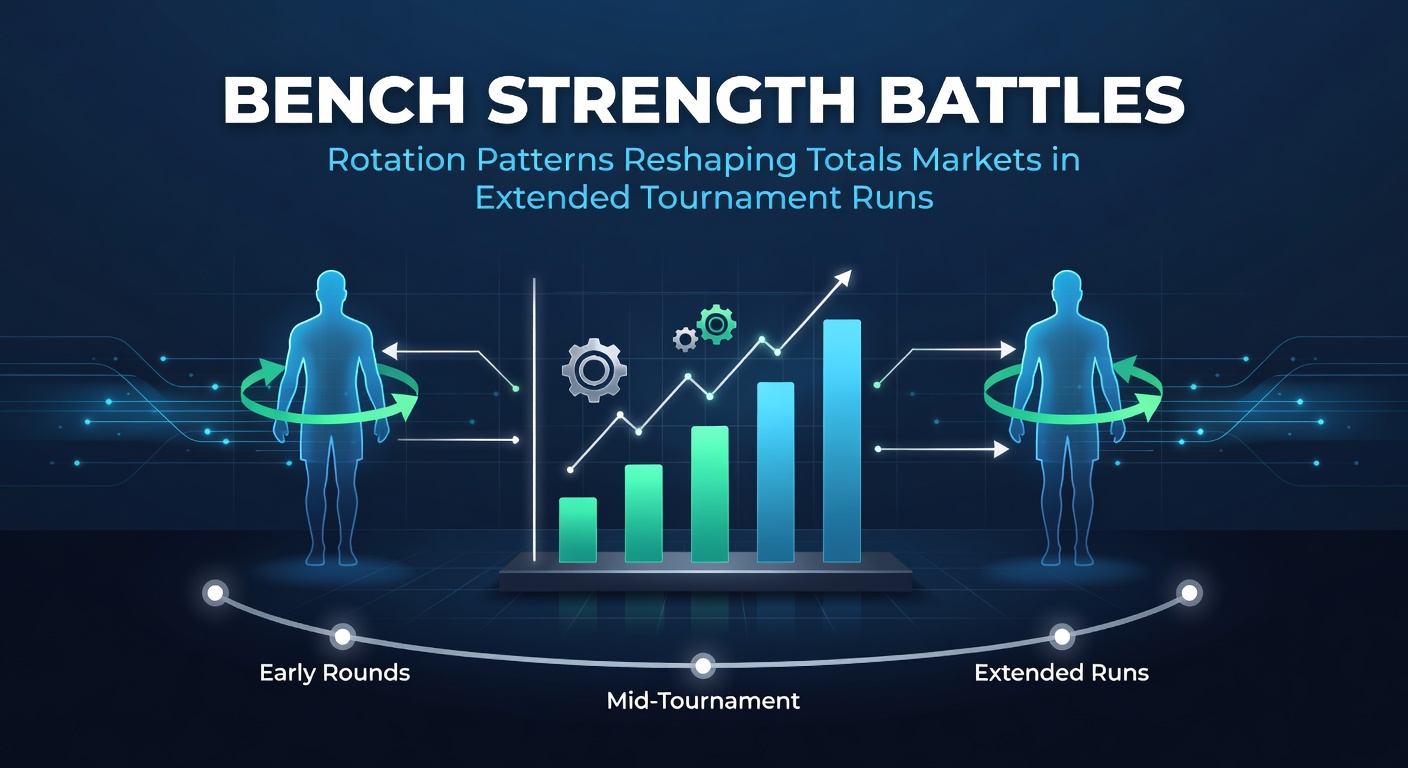
Early rounds of extended tournaments allow greater freedom for wholesale changes, yet managers still weigh the risk of dropping points that could affect later seeding. Mid-tournament stages, typically February through April, show the clearest shift toward targeted rotations focused on one or two positions. By the time fixtures reach May 2026, fatigue patterns become more predictable, and analysts track how many minutes key players have accumulated since the previous winter break.
Teams that rotate central midfielders while keeping attacking lines intact tend to preserve goal threat without sacrificing structure. In contrast, sides that rest forwards early in extra-time legs often struggle to break down compact defenses, and totals markets respond by drifting toward the under. Figures from the Australian Sports Commission’s performance analysis unit reveal that such late-stage substitutions correlate with a measurable drop in shots on target during the final 30 minutes of matches.
Market Movements and Betting Implications
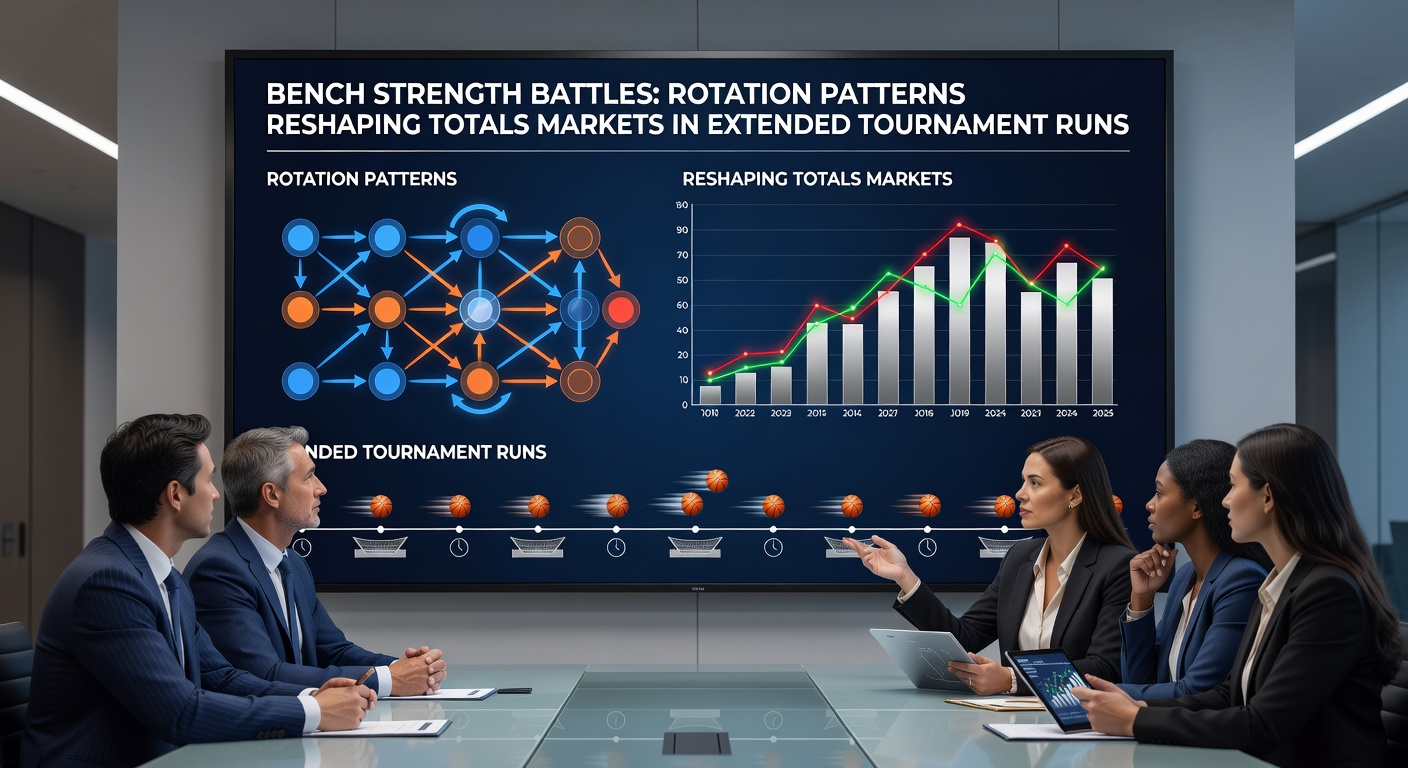
Bookmakers adjust totals lines quickly once rotation news emerges, and sharp bettors monitor team sheets released 60 to 90 minutes before kickoff. When a side lists multiple attacking substitutes on the bench, markets for over-2.5 goals often hold steady or shorten slightly because depth signals continued offensive output. Conversely, when defensive-minded players fill the bench, under markets gain traction as price movements reflect lower expected chance creation.
Live betting adds another layer, since in-game rotations become visible through tactical shifts. Data collected across the 2025-26 Champions League knockout phase shows that goals scored after the 70th minute increase when managers introduce fresh forwards from strong benches. Those who follow these patterns have documented consistent value in totals markets that open before lineups are confirmed yet close after rotation details surface.
Case Examples from Recent Campaigns
One notable instance occurred during the 2025 UEFA Europa League semifinal ties, where a squad with four quality attacking options rotated its front line across both legs and produced 3.2 goals per game on average. Another club with limited bench depth in the same competition averaged just 2.1 goals once it reached the later stages, and under-2.5 markets performed strongly in those matches. Similar trends appear in domestic cup runs that stretch into May, when fixture congestion forces choices between league survival and cup progression.
Coaches who communicate rotation plans through press conferences provide additional signals, though the actual impact appears only after the first 15 minutes of each match. Those who have studied these patterns across multiple seasons note that totals markets react most sharply when two teams with contrasting bench profiles meet in a single leg.
Tracking Workload Data in Real Time
Performance tracking systems now supply minute-by-minute workload metrics that feed directly into pre-match totals models. Clubs share some of this information through official channels, while independent analysts compile supplementary figures from broadcast data. By May 2026, several competitions will publish cumulative player-load reports that allow markets to price rotation effects more precisely than in earlier years.
These datasets help explain why certain teams maintain scoring rates despite heavy schedules, whereas others see totals drop once key players exceed 300 minutes across a three-week span. Observers continue to monitor how governing bodies adjust fixture calendars to accommodate recovery, yet the core relationship between bench depth and goal output remains consistent across competitions.
Conclusion
Bench strength and rotation decisions continue to shape totals markets throughout extended tournament runs, and the patterns observed in May 2026 align with trends established over previous seasons. Teams that manage squad resources effectively sustain goal output deeper into competitions, while those with thinner benches often see scoring rates decline once fatigue sets in. Market participants who track lineup news, workload data, and historical rotation trends gain measurable edges in over and under selections as tournaments progress.