How Player Rest Cycles Shape Scoring Dynamics in High-Intensity League Schedules
Written by Ellis Lehmann · Jun 20, 2026
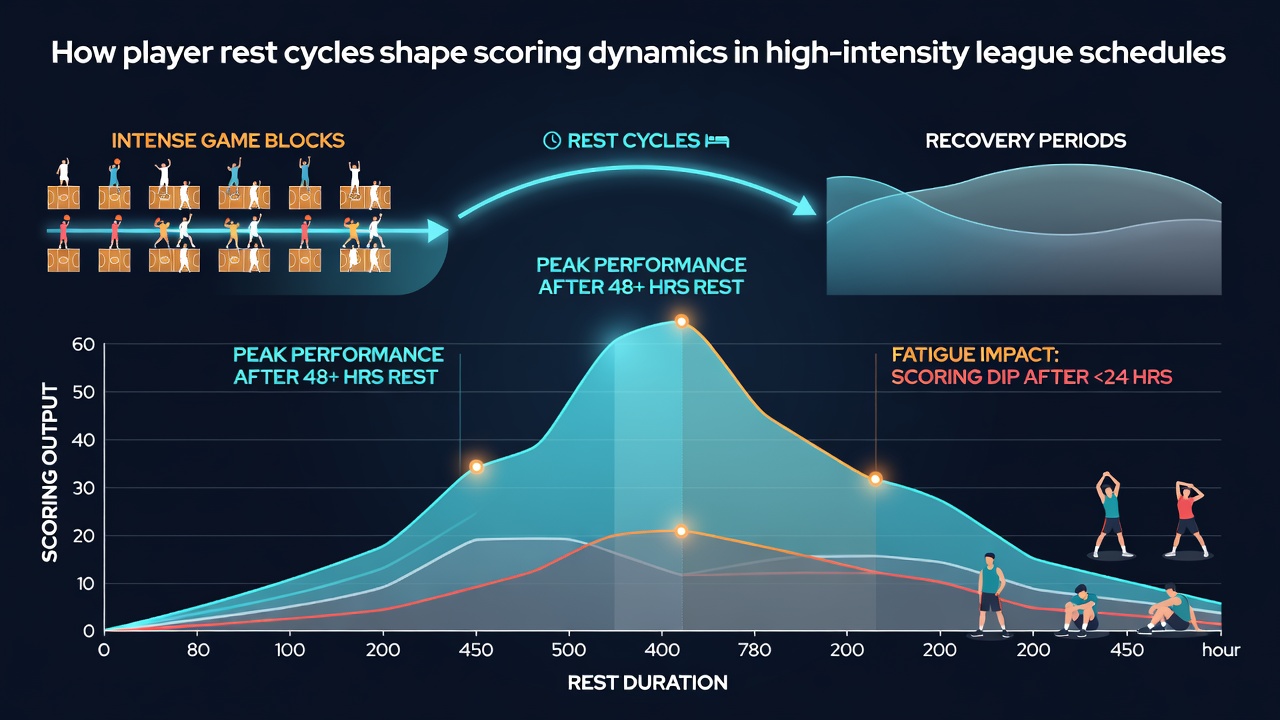
How Player Rest Cycles Shape Scoring Dynamics in High-Intensity League Schedules
High-intensity league schedules place significant demands on player recovery, and rest cycles directly influence scoring patterns across matches. Data from major European competitions reveals that teams with fewer rest days between fixtures often experience measurable declines in offensive output while defensive vulnerabilities increase. Observers note that these patterns emerge consistently when calendars compress due to domestic cups, European ties, and international windows.
Understanding Rest Cycle Mechanics in Modern Football
Rest cycles encompass the period between matches plus structured recovery protocols that include sleep, nutrition, and light training sessions. Research from sports science institutions shows that muscle glycogen replenishment typically requires 48 to 72 hours after high-intensity efforts, while cognitive sharpness for decision-making in the final third recovers at slightly different rates. When schedules allow only 48 hours between games, players frequently operate below optimal physical thresholds, which alters how attacks develop and finish.
Studies tracking elite players across multiple seasons indicate that sprint volume drops by approximately 8 to 12 percent when rest falls below three full days. This reduction limits the ability to stretch defenses and create high-quality chances, directly affecting goal tallies. Meanwhile, teams granted four or more rest days maintain higher shot conversion rates because players sustain the intensity needed for late-game breakthroughs.
Scoring Patterns Across Congested Periods
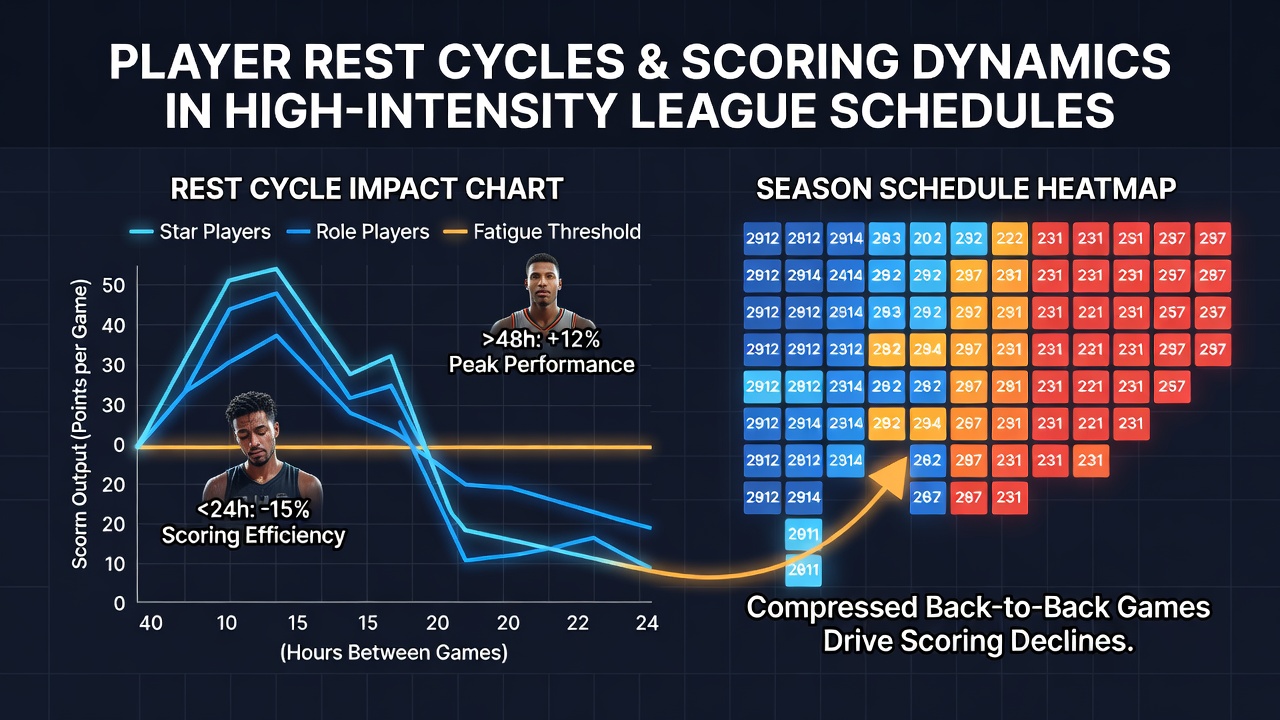
League data compiled over the past decade demonstrates clear trends during fixture pile-ups. In periods where clubs play three matches in seven days, average goals per game decline modestly in the middle fixture while first-half scoring remains relatively stable. The drop concentrates in the final 30 minutes, where fatigue hampers both creative passing and clinical finishing. Analysts examining Bundesliga and Serie A records have documented that away sides suffer more pronounced reductions in expected goals when rest cycles shorten.
Case Examples from Recent Seasons
One notable stretch occurred in early 2025 when several Premier League sides navigated domestic and European obligations simultaneously. Teams rotating squads effectively preserved scoring output, whereas those relying on the same starting XI saw their xG per 90 minutes fall from 1.65 to 1.38 across the compressed window. Similar observations emerged in La Liga schedules where midweek Copa del Rey ties preceded weekend league games.
June 2026 will bring additional complexity as clubs prepare for expanded international commitments following the FIFA World Cup cycle adjustments. Pre-season schedules already show overlapping friendlies and league preparation matches, forcing medical staff to monitor recovery markers more closely than in previous years.
Role of Squad Depth and Tactical Adjustments
Clubs with greater squad depth manage rest cycles more successfully because they distribute minutes across larger groups of players. Performance metrics indicate that sides rotating at least four outfield players between congested fixtures maintain higher second-half shot totals compared with those making minimal changes. Tactical shifts also appear, with teams adopting more direct approaches when key attackers show signs of accumulated fatigue.
Coaches often shorten possession phases and increase long-ball frequency in later matches of a congested block, which changes the types of goals scored. Set-piece goals rise proportionally because open-play creation becomes harder under fatigue. Defensive lines sit deeper on average, leading to fewer high-quality transitions and more blocked shots from distance.
Recovery Protocols and Performance Data
Modern recovery strategies include cryotherapy, compression garments, and individualized sleep monitoring. According to findings published by the Australian Institute of Sport, structured sleep extension of even one additional hour per night correlates with improved reaction times and reduced error rates in passing sequences during the subsequent match. European clubs have adopted similar approaches, integrating heart-rate variability tracking to determine which players require extra rest days before critical fixtures.
Longitudinal data from the German Football Association highlights that players who accumulate fewer than 300 minutes of high-intensity running in a seven-day period maintain consistent goal involvement rates. Those exceeding this threshold without adequate recovery show reduced involvement in the build-up play leading to goals.
Implications for League-Wide Trends
Across entire seasons, the distribution of rest days shapes which teams peak during title races and relegation battles. Mid-table clubs often benefit from more balanced schedules, while top sides face heavier fixture loads that test their rotation policies. Statistical models used by league analysts consistently factor rest differentials when projecting goal margins, especially in December and April when calendars reach maximum density.
Future schedule reforms discussed by governing bodies may address these imbalances through better spacing of international breaks and mandatory rest windows. Until such changes occur, rest cycle management remains a central determinant of scoring dynamics in high-intensity environments.
Conclusion
Player rest cycles exert measurable influence on scoring patterns throughout demanding league schedules. Teams that optimize recovery windows preserve offensive potency and limit defensive lapses, while those unable to rotate effectively experience predictable declines in goal output during congested periods. Continued monitoring of physical and tactical metrics will remain essential as calendars grow increasingly crowded heading into 2026 and beyond.