How Travel Fatigue Alters Performance Lines in Cross-Country League Fixtures
Written by Erik Berger · Jun 27, 2026
How Travel Fatigue Alters Performance Lines in Cross-Country League Fixtures
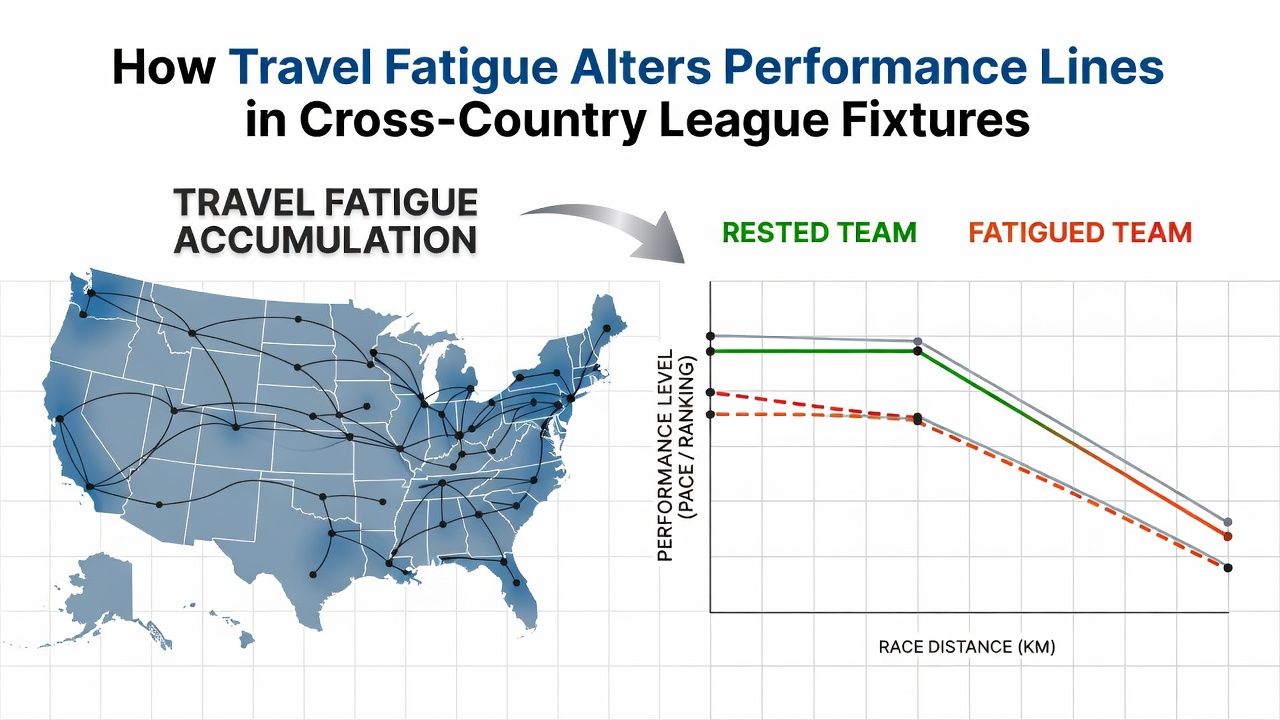
Travel fatigue emerges as a measurable influence on player output and subsequent betting market adjustments in leagues that span multiple countries, where squads routinely cover hundreds of kilometers between fixtures. Observers note that extended road or air journeys disrupt sleep cycles, elevate cortisol levels, and reduce glycogen stores, all of which compound across congested calendars. Data from sports science tracking shows these physiological shifts translate into lower sprint distances, fewer high-intensity efforts, and altered passing accuracy, directly feeding into adjusted performance lines offered by bookmakers.
Physiological Mechanisms Behind Performance Drops
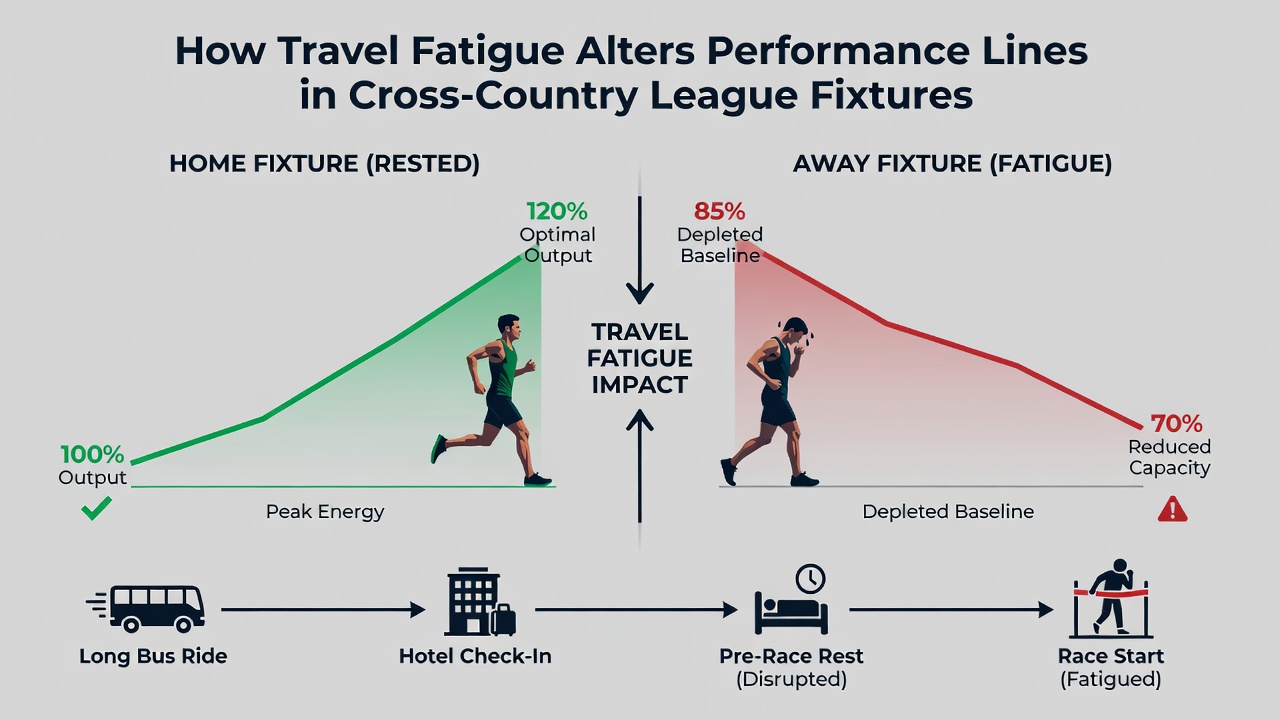
Researchers have documented that crossing time zones or enduring multi-hour bus trips produces measurable decrements in reaction time and decision-making speed within twenty-four hours of arrival. A study published in the International Journal of Sports Physiology and Performance tracked elite players across continental competitions and found average reductions of eight percent in total distance covered when recovery windows fell below forty-eight hours. These figures become especially relevant in leagues such as those operating in South America or across Central Europe, where fixtures often require overnight travel followed by immediate training sessions.
Coaches and analysts adjust tactical preparations accordingly, shifting toward more compact defensive structures and reduced pressing intensity to compensate for diminished work rates. Such changes appear in match statistics as fewer tackles attempted and lower expected goal values, prompting markets to recalibrate totals and handicap lines before kickoff.
Impact on Betting Markets and Line Movements
Performance lines respond quickly once fatigue indicators surface in pre-match reports or travel logs. When a visiting side logs more than six hours of combined travel within two days, historical datasets reveal an increased frequency of draws and lower-scoring outcomes. Bookmakers incorporate these patterns into early odds releases, moving over/under thresholds downward by half a goal on average according to aggregated fixture data.
What's interesting is how in-play markets amplify the effect. Fatigue compounds during the second half, producing measurable spikes in substitutions and slower tempo that create live betting opportunities around corner counts and card tallies. Analysts monitoring GPS data note that teams logging higher external loads during travel weeks concede more set pieces after the seventieth minute.
Regional Examples and Seasonal Patterns
Leagues spanning large geographic areas provide clear case studies. In CONMEBOL competitions, clubs traveling from high-altitude venues to sea-level stadiums encounter additional stressors that compound jet-lag effects. Performance tracking from the 2025 season showed visiting sides averaging 12 percent fewer shots on target when altitude differentials exceeded 1,500 meters. Similar patterns appear in European fixtures involving teams crossing the Alps or traveling between Scandinavia and the Mediterranean.
June 2026 scheduling adds another layer, as several cross-border leagues prepare calendars around international windows and pre-tournament friendlies. Fixture congestion during that period is expected to intensify recovery demands, with early modeling already indicating wider line spreads on matches involving teams returning from national team duty across continents.
Recovery Protocols and Data Integration
Clubs increasingly deploy sleep-monitoring wearables and individualized nutrition plans to mitigate travel effects, yet residual impacts persist in aggregate statistics. European sports medicine groups report that even optimized recovery reduces but does not eliminate performance variance. These interventions appear in betting analysis as teams publish fewer training-ground images or altered squad announcements, prompting subtle line adjustments hours before kickoff.
One research project coordinated through the Australian Institute of Sport examined flight duration and subsequent match output across multiple codes and found consistent correlations between total travel time and reduced high-speed running. League operators and data providers now integrate such metrics into public dashboards, allowing markets to price fatigue risk more precisely.
Conclusion
Travel fatigue produces quantifiable shifts in physical output and tactical execution that ripple through performance lines across cross-country league fixtures. Objective data from GPS tracking, physiological monitoring, and historical match records demonstrate consistent patterns in scoring margins, set-piece frequency, and second-half dynamics. As calendars grow more demanding ahead of 2026, these variables remain central to accurate line construction and market movement analysis.