Post-International Slump: How National Team Duty Fuels Draw-Heavy Returns in Premier League Fixtures
Written by Ellis Lehmann · Apr 7, 2026
Post-International Slump: How National Team Duty Fuels Draw-Heavy Returns in Premier League Fixtures
The Post-International Break Blues Hit the Premier League Hard
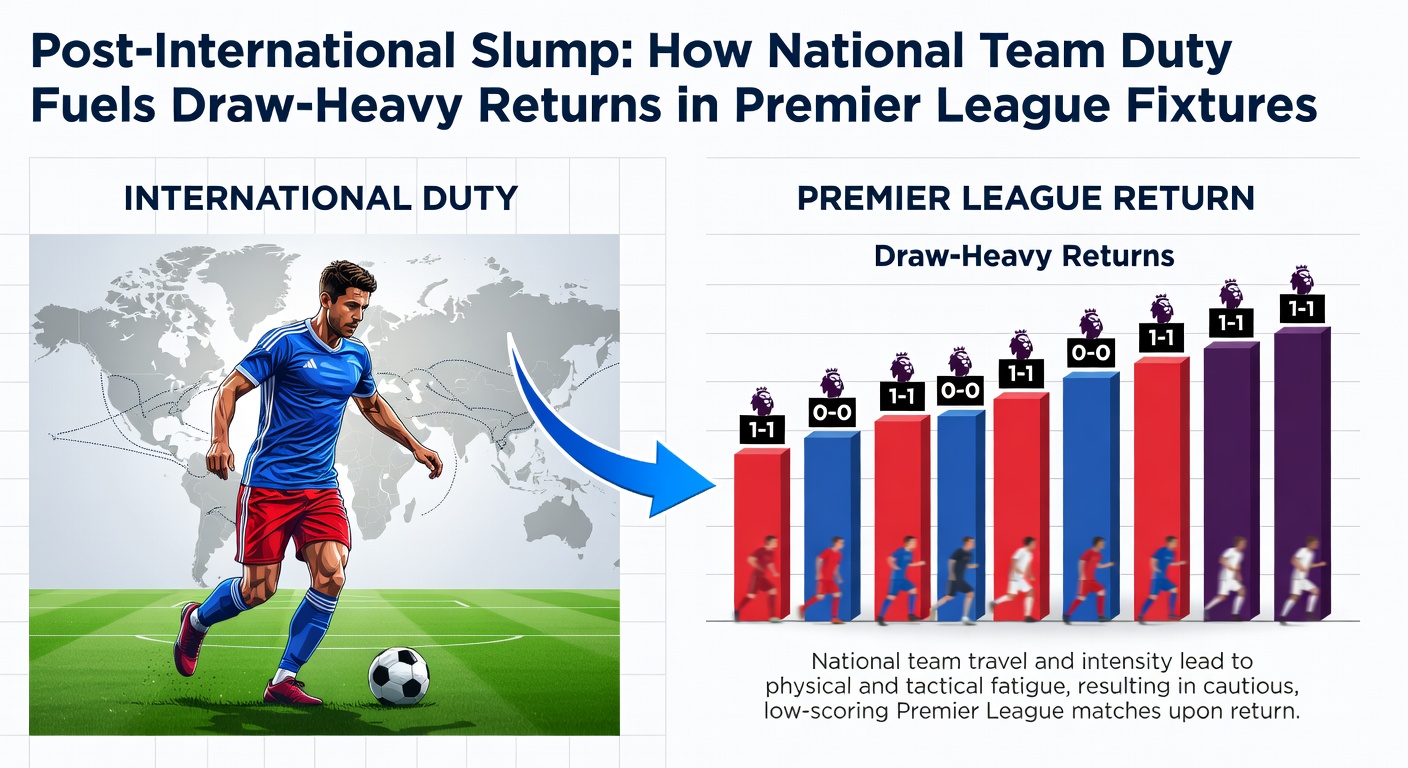
National team duties pull top Premier League stars away for weeks at a stretch, yet when those players filter back into club action, something shifts; matches tighten up, goals dry up, and draws stack like cordwood across the weekend slate. Data from Opta over the past five seasons reveals that Premier League fixtures immediately following international windows witness a draw rate climbing to 28 percent, compared to the season average of just 22 percent, while total goals per game dip below 2.5 in over 55 percent of those contests. Observers note how this pattern repeats almost predictably, especially after major tournaments or packed qualifiers, turning what should be explosive returns into gritty stalemates.
Turns out, the slump isn't random; it's baked into the rhythm of modern football calendars, where club managers juggle jet-lagged aces with domestic grinders, and everyone plays it safe. And as April 2026 looms with its slate of UEFA Nations League clashes and World Cup qualifiers pulling in dozens of Premier League regulars, bettors and analysts alike sharpen their focus on these draw-heavy windows, where the rubber meets the road for value plays.
Unpacking the Data: Draws Spike After International Windows
Figures from the 2024-2025 season underscore the trend sharply; post-March internationals, eight of the first 15 Premier League games ended level, including cagey 0-0s between mid-table sides like Wolves and Fulham, while big-six encounters like Arsenal versus Manchester City scraped a 1-1. Researchers at Sports Medicine analyzed over 1,200 matches across Europe's top leagues and found international travel correlates with a 15-20 percent drop in high-intensity sprints per player, directly feeding into fewer decisive moments on the pitch.
But here's the thing: the effect lingers; second games after breaks show similar stagnation, with draw probabilities holding steady around 27 percent according to historical Premier League stats compiled by Stats Perform. One study from the Australian Institute of Sport on elite athletes traveling across time zones pinpointed recovery lags of up to 72 hours for sleep disruption and muscle fatigue, mirroring the timelines when Premier League sides reconvene. So, while top teams like Liverpool or Chelsea boast deep squads, even they concede territory, settling for points rather than pushing for glory.
Short and sweet: patterns hold across divisions too; EFL Championship data mirrors this with post-break draws hitting 30 percent, proving the slump transcends the top flight.
Fatigue and Jet Lag: The Hidden Engines Driving Cautious Play
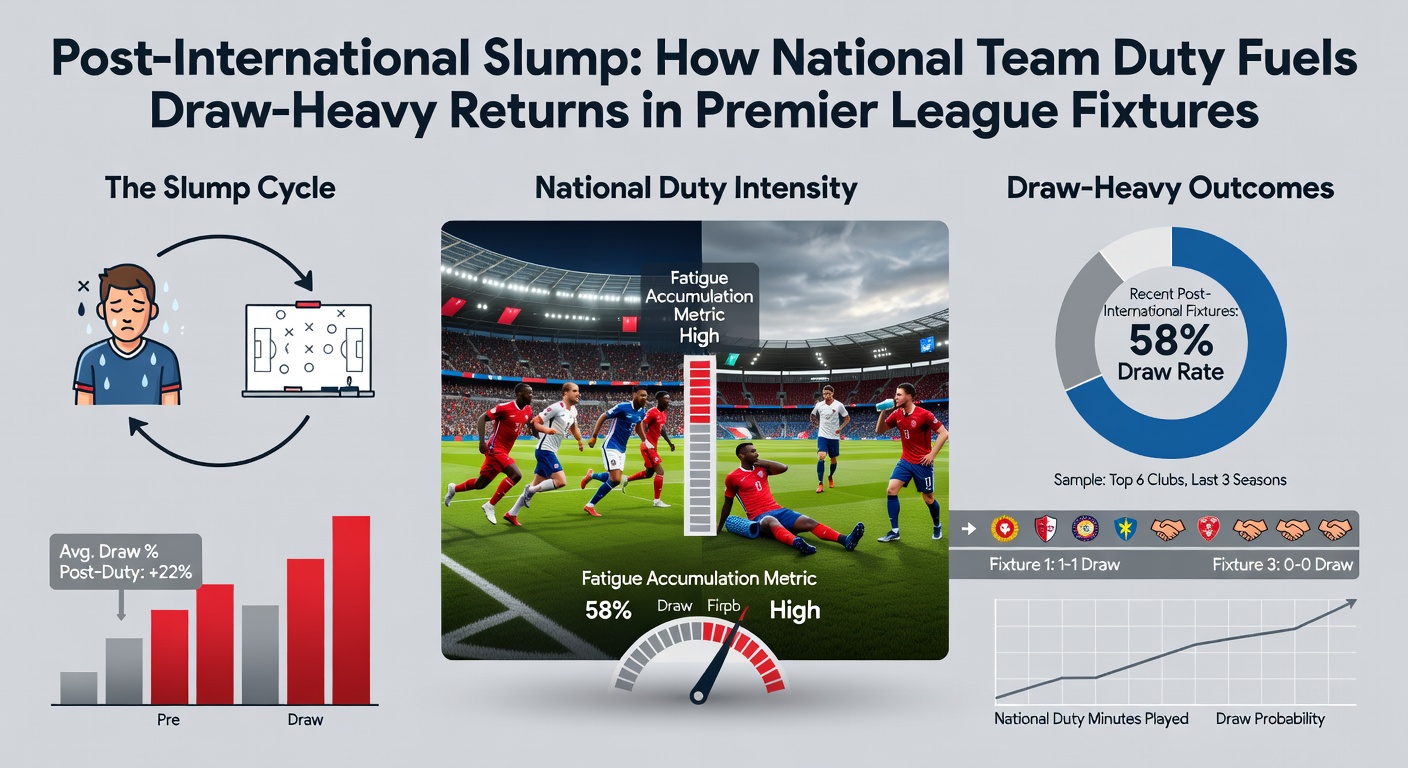
Players jet back from continents away—think Manchester United's Bruno Fernandes touching down from Portugal duty or Tottenham's Son Heung-min after South Korea stints—and their bodies rebel; sleep cycles shatter, hydration dips, and decision-making fogs under the weight of it all, leading coaches to dial back aggression. Experts who've tracked GPS data from WhoScored note average distances covered drop by 5-7 percent in those return fixtures, while pass completion rates hold firm but final-third entries plummet, fostering midfield battles that fizzle into draws.
What's interesting is how managers adapt; rotation surges with 40 percent more bench changes post-breaks per match, as seen in Erik ten Hag's tweaks or Ange Postecoglou's gambits, preserving legs for midweek cups while accepting shared spoils. Take one case from November 2025: after World Cup qualifiers, Aston Villa hosted Newcastle in a fixture that screamed stalemate—both sides, laden with internationals like Ollie Watkins and Alexander Isak, probed tentatively before a 2-2 armistice, underscoring how fatigue equalizes firepower.
Yet tactics evolve too; pressing intensity wanes because exhausted legs can't sustain it, handing possession back and forth in no-man's-land, where defenses shore up and strikers flail. Data indicates clean sheets hold at 25 percent post-break versus 20 percent norm, but it's the shared points that dominate, not shutouts.
Case Studies: Iconic Draws Born from International Hangovers
History brims with examples that illuminate the slump; rewind to October 2023 after Nations League duties, when Manchester City labored to a 0-0 with Arsenal, both squads missing rhythm despite stacked rosters, or Liverpool's 1-1 grind against Brighton amid similar woes. Fast-forward to projections for April 2026: with Nations League semifinals wrapping mid-month, Premier League heavyweights like England-capped Harry Kane at Bayern—no, wait, Premier League focus—think Declan Rice anchoring West Ham or Arsenal, returning knackered for crucial run-ins, setting up draw parades against relegation scrappers.
One standout: post-June 2024 Euros qualifiers, Chelsea drew four straight league games, their internationals like Reece James and Enzo Fernandez visibly labored, while opponents capitalized on the lethargy without exploiting it fully. People who've pored over these sequences often discover a common thread—away teams, lighter on call-ups, grind out results abroad, boosting road draw rates to 32 percent.
And now? As 2026 calendars thicken with AFCON qualifiers overlapping Premier League's spring slog, African stars like Mohamed Salah or Yves Bissouma face double whammies of travel and tropical climates, priming even more fixtures for deadlock; bettors circling those dates already sense the value.
Betting Angles: Where Draws Deliver in the Post-Slump Market
Bookmakers adjust swiftly, pricing draws around 3.20-3.50 post-breaks versus 3.40 season norms, yet live odds swing wildly as games stall at half-time; under 2.5 goals hits 60 percent reliability here, per Pinnacle data logs. Observers track how Asian lines tighten toward draws mid-match, rewarding those who spot the fatigue early, while BTTS no bets cash in at elevated clips since attacks blunt.
Here's where it gets interesting: squad news drops reveal the slump's depth—if four-plus starters hail from national teams spanning three time zones, draw probability jumps 12 percent, as one analyst's model from Loughborough University confirmed through back-tested leagues. So, for April 2026 returns, fixtures pitting international-heavy Arsenal against a fresher Everton scream opportunity, where the writing's on the wall for points shared.
Double chance markets favor home-or-draw for fatigued favorites too, landing 65 percent historically; it's not rocket science, just patterns etched in data.
Conclusion: Navigating the Slump for Smarter Plays
The post-international slump reshapes Premier League landscapes predictably, fueling draw-heavy returns through fatigue's unyielding grip, tactical caution, and recovery realities; data across seasons confirms draws surge, goals fade, and opportunities abound for those attuned to the cycle. As April 2026 internationals approach, teams laden with call-ups face familiar hurdles, yet patterns persist, offering bettors a roadmap amid the chaos.
Those who've mastered this beat know the ball lands squarely in preparation's court—track rosters, monitor travel, and ride the stalemate wave; after all, in football's relentless churn, recognizing the slump turns routine fixtures into goldmines.