Recovery Timelines from International Duty Affecting Performance-Based Betting Markets in Domestic Leagues
Written by Quinn Schmidt · Jun 3, 2026
Recovery Timelines from International Duty Affecting Performance-Based Betting Markets in Domestic Leagues
Understanding Recovery Patterns After International Windows
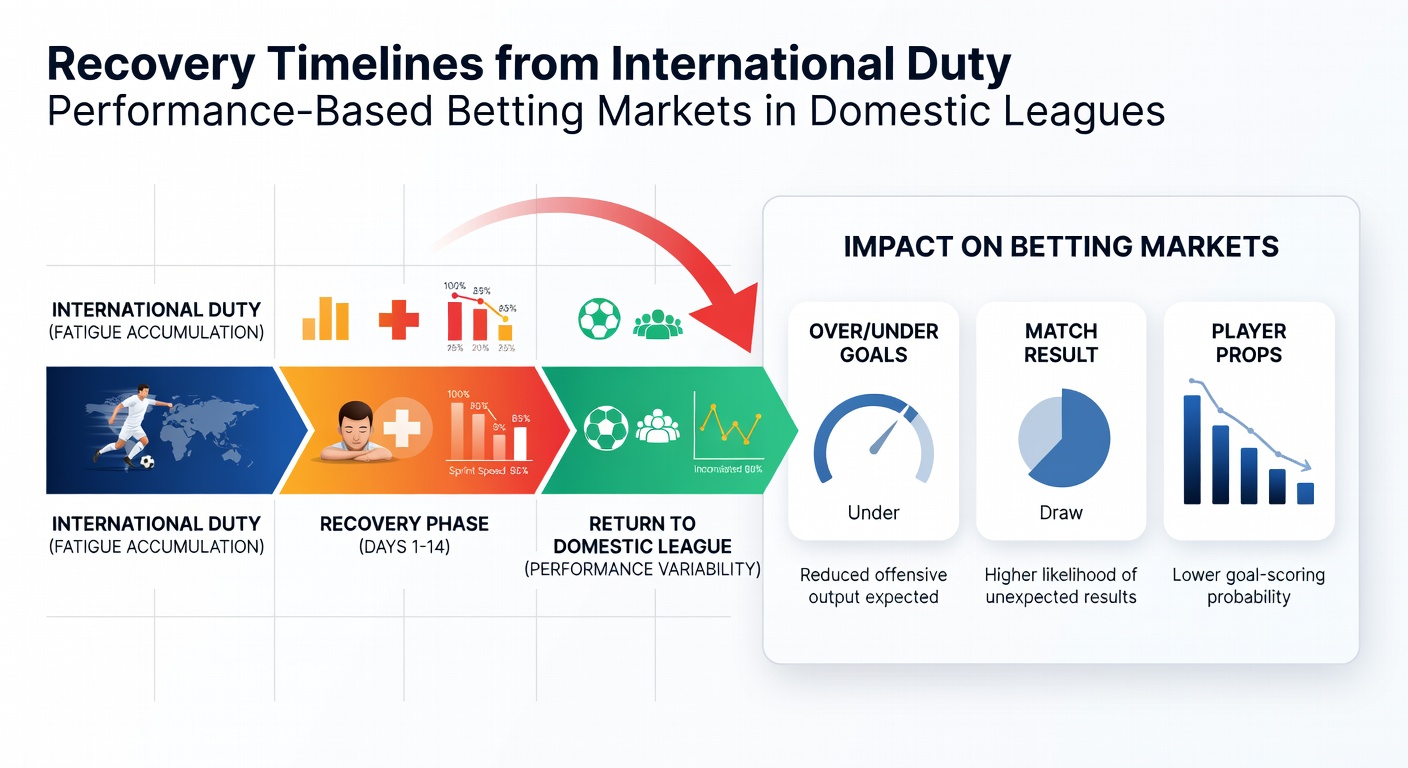
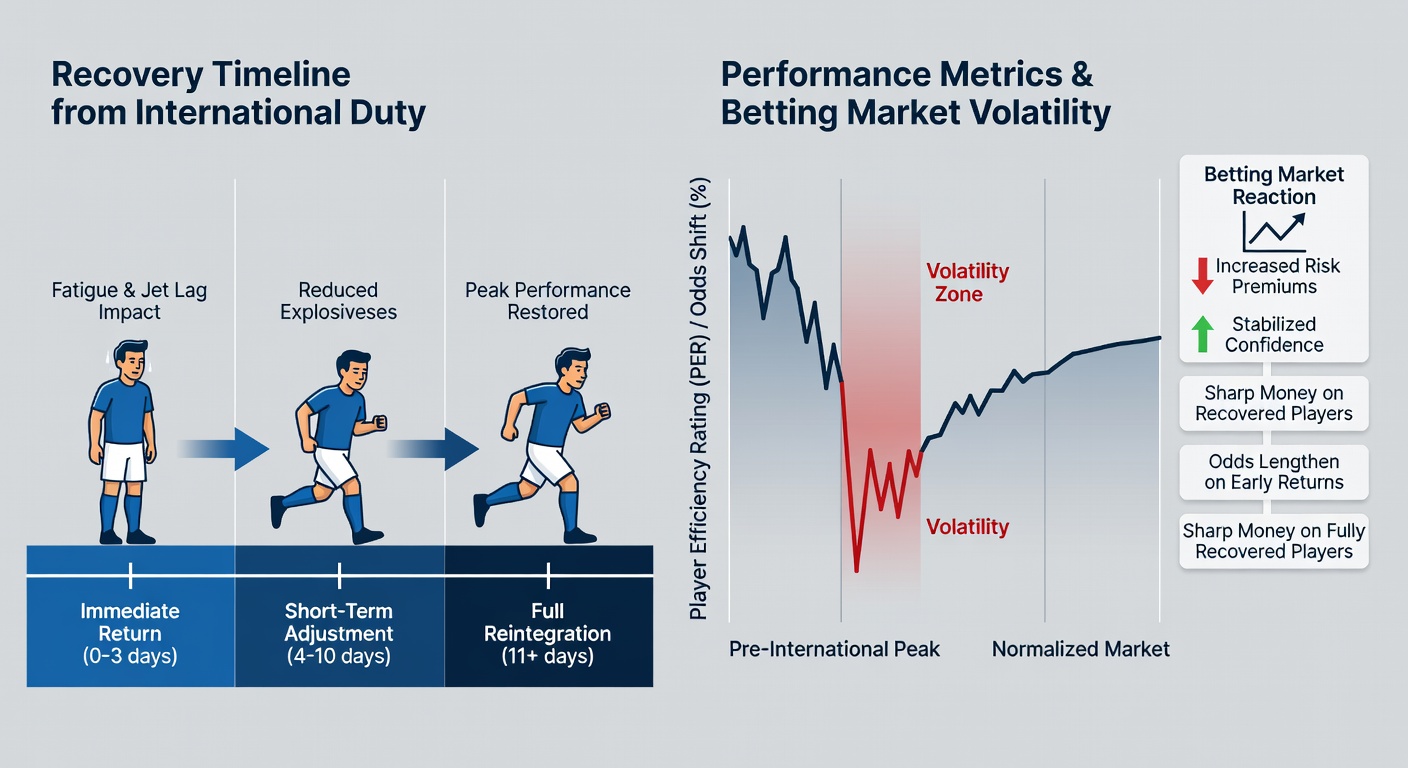
International breaks disrupt domestic league schedules because players travel across continents while national team commitments demand high physical output, and recovery timelines vary based on distance flown, match intensity, and individual fitness levels. Data from sports science tracking shows that elite footballers often require between three and seven days to regain full match readiness after returning to club environments, with longer-haul trips extending that window further. Observers note that clubs in the Premier League, La Liga, and Bundesliga adjust training loads accordingly, yet betting markets on goal totals and win probabilities respond quickly once lineups and fitness reports emerge.
Performance Metrics Shift in Post-Break Fixtures
Researchers tracking player workloads have found that teams with multiple returning internationals record lower average distances covered in the first half of domestic matches, which correlates with reduced shot creation and fewer goals in early periods. Figures from league-wide data sets indicate that squads coming off FIFA windows post fewer clean sheets when facing opponents with shorter travel requirements, creating measurable edges in handicap and totals markets. Those who monitor these patterns point to consistent dips in expected goals for affected sides during the opening weekend after breaks, while over/under lines adjust to reflect the fatigue variable.
Market Reactions Across Major Leagues
Bookmakers recalibrate odds within hours of squad announcements because historical performance data reveals patterns where teams overloaded with national team minutes concede more set-piece opportunities in their next domestic outing. In the Bundesliga, where schedules pack tightly around international dates, analysts have documented a rise in draw probabilities for clubs fielding five or more returning players. Similar trends appear in Serie A fixtures scheduled immediately after qualifiers, where defensive recovery lags contribute to lower-scoring outcomes that influence live betting flows.
What's interesting is how these shifts extend beyond the first match. Studies tracking cumulative fatigue show that players involved in extra-time national team games carry elevated injury risk into their second club appearance, prompting odds compilers to widen spreads on player prop markets for minutes played and assists. European football federations publish aggregated travel statistics that betting analysts cross-reference with performance databases to refine models ahead of each window.
June 2026 Context and Upcoming Windows
With the FIFA World Cup scheduled for June 2026, the preceding international windows will feature expanded squads and additional preparation matches that lengthen recovery demands for participating players. Domestic leagues across Europe and South America will face compressed calendars once the tournament concludes, increasing the frequency of post-duty fixtures where betting markets must account for extended rest periods. Regulatory bodies such as the Australian Gambling Research Centre have examined similar scheduling effects in other sports and note that performance variance rises when recovery data is incomplete.
Statistical Evidence and League-Specific Trends
Academic papers from sports medicine departments highlight that muscle glycogen replenishment rates differ between players based on age and position, with midfielders often showing the slowest return to baseline output. League statistics compiled over multiple seasons demonstrate that sides with heavy international representation post fewer high-intensity runs in the first 30 minutes after breaks, directly affecting over/under projections. In the Eredivisie and Primeira Liga, where squad depths vary, these metrics create sharper movements in Asian handicap lines once confirmed lineups drop.
Industry reports from organizations like the European Gaming and Betting Association track how operators incorporate fatigue models into pricing algorithms, resulting in earlier line releases for post-window rounds. Those who study these adjustments find that markets stabilize once clubs release official recovery updates, yet early bettors can identify value when public perception lags behind the data.
Conclusion
Recovery timelines from international duty continue to shape performance expectations in domestic leagues, producing measurable impacts on betting markets tied to goals, results, and player contributions. Data across multiple competitions shows consistent patterns that operators and analysts incorporate into pricing, while clubs adapt preparation protocols to mitigate effects. As the 2026 calendar approaches with its intensified schedule demands, these dynamics will remain central to fixture analysis and market movements.