Social Media Sentiment Tracking and Its Ties to Rapid Price Adjustments in Live Markets During European League Fixtures
Written by Erik Berger · Sep 12, 2026
Social Media Sentiment Tracking and Its Ties to Rapid Price Adjustments in Live Markets During European League Fixtures
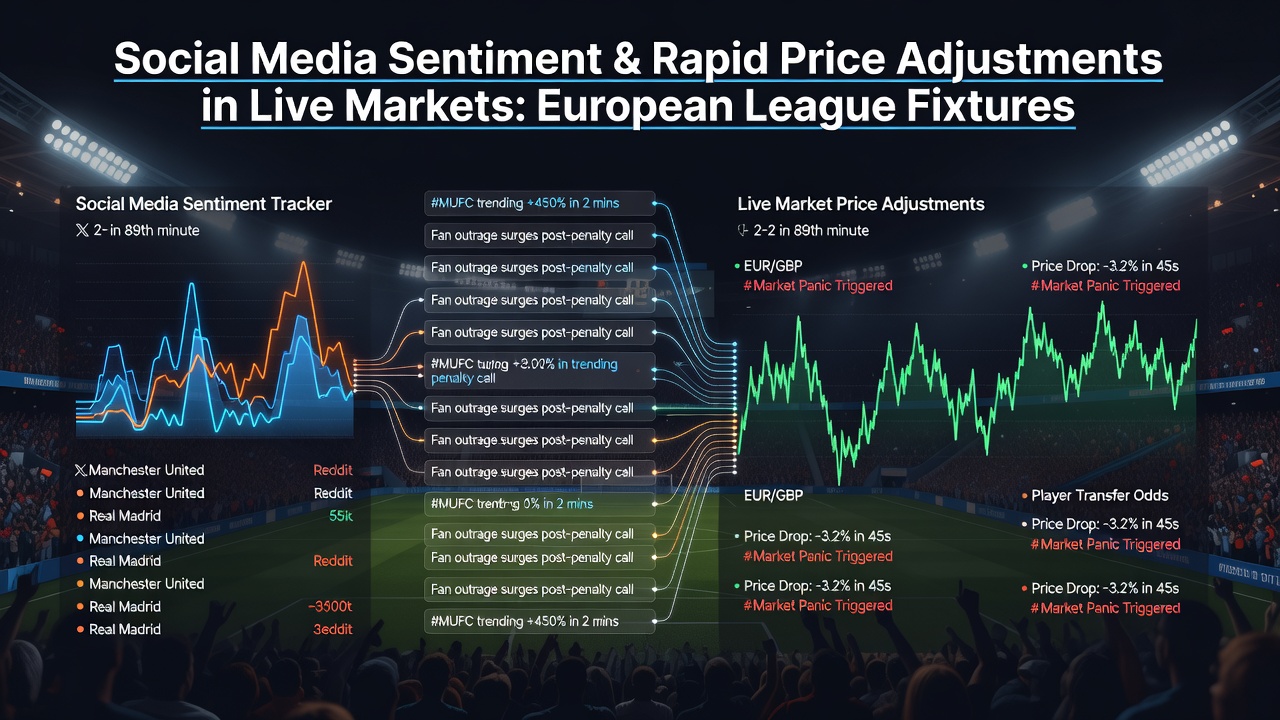
European football leagues generate constant streams of data from social platforms, and betting operators integrate these signals into live odds systems during matches across the Premier League, La Liga, Serie A, and Bundesliga. Sentiment tracking tools scan posts on X, Instagram, and TikTok for spikes in mentions, emotional tone, and keyword clusters around goals, injuries, and referee decisions, then feed those patterns into pricing engines that adjust lines within seconds.
How Platforms Capture and Process Sentiment Data
Algorithms classify posts as positive, negative, or neutral toward specific teams, players, or outcomes while also measuring volume surges that often precede visible crowd reactions inside stadiums. Data from September 2026 fixtures showed that a sudden rise in negative posts about a goalkeeper's positioning correlated with immediate tightening of under-2.5 goals lines in several midweek Champions League qualifiers. Operators combine these inputs with traditional statistics such as expected goals and possession metrics, yet social volume frequently moves prices first because it reaches the market before official updates from pitch-side analysts.
Third-party providers supply cleaned datasets that filter out bot activity and focus on verified user accounts within target regions. European operators cross-reference this information against betting volumes from different time zones, which helps distinguish between organic supporter reactions and coordinated promotional campaigns. The result appears in live markets where a goal scored against the run of play can trigger both a flood of celebratory posts and an immediate re-pricing of next-goal or handicap lines before the broadcast feed reaches many viewers.
Price Adjustments Observed in Live European Markets
Live markets react to sentiment clusters because large betting volumes often follow public discussion peaks. In one September 2026 Bundesliga match, a defender's early yellow card generated thousands of posts within ninety seconds, and over-8.5 corners lines moved two ticks before the next corner kick occurred. Similar patterns emerged during La Liga weekends when referee-related hashtags trended regionally and card markets adjusted accordingly.
Operators maintain thresholds that trigger automated or manual reviews once sentiment velocity exceeds historical norms for that fixture type. The process connects directly to risk-management protocols that limit exposure on high-volatility outcomes such as late red cards or penalty awards. Observers note that these rapid shifts occur most frequently in matches involving clubs with large international followings, where social discussion crosses multiple languages and time zones simultaneously.
Integration with Existing Betting Infrastructure
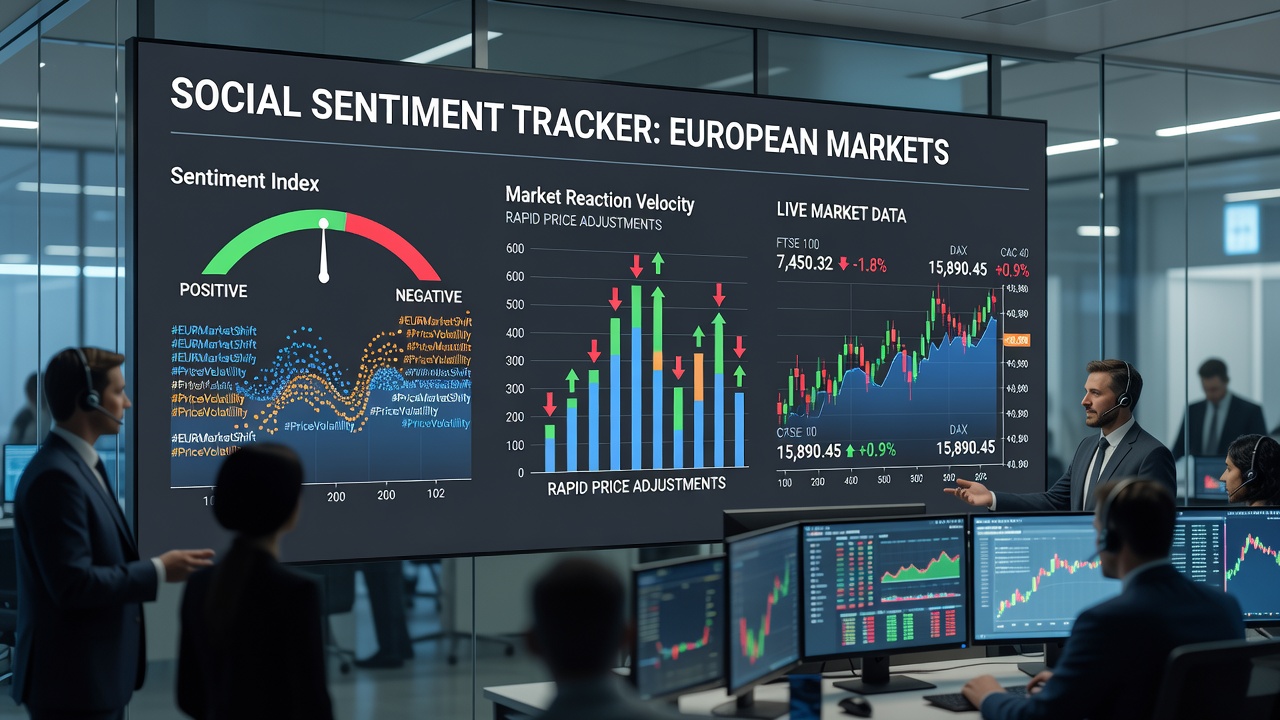
Bookmakers link sentiment feeds to existing data pipelines that already incorporate team news, weather, and line-up confirmations. When social volume spikes around an unannounced substitution, pricing teams verify the information against official club channels before committing to larger adjustments. This layered approach reduces false signals while still allowing markets to reflect crowd perception ahead of slower traditional sources.
Regulatory frameworks in several jurisdictions require operators to document how non-traditional data sources influence pricing, and sentiment tracking now appears in compliance reports submitted to authorities in Malta and the Netherlands. Industry groups such as the European Gaming and Betting Association have published guidelines on responsible use of social data, emphasizing transparency around automated decision-making systems.
Case Examples from Recent European Fixtures
During a September 2026 Serie A encounter, a viral clip of a missed tackle circulated rapidly and coincided with a sharp movement in both corners and cards markets. The adjustment preceded the official broadcast replay by nearly forty seconds. In another instance, a Premier League side's fans began posting complaints about defensive shape after fifteen minutes, and live handicap lines shifted before the visiting team scored. These examples illustrate how sentiment velocity can compress the time between event and price change.
Researchers at institutions including the University of Sydney have examined correlations between social metrics and market efficiency in sports betting, finding measurable lead times in certain high-profile matches. The studies highlight that leagues with greater social media penetration experience faster information diffusion into live odds.
Conclusion
Social media sentiment tracking now forms a recognized component of live pricing systems used across major European football leagues. The connection between online discussion volume, emotional tone, and subsequent odds movements continues to evolve as operators refine filtering techniques and regulatory expectations become clearer. Data from the 2026 season demonstrates that these inputs operate alongside traditional statistics yet frequently initiate the first visible price responses during matches.