Tracing Recovery Windows Between Continental and Domestic Fixtures in Shaping Draw Markets Across Multiple Leagues
Written by Erik Berger · Jul 18, 2026
Tracing Recovery Windows Between Continental and Domestic Fixtures in Shaping Draw Markets Across Multiple Leagues
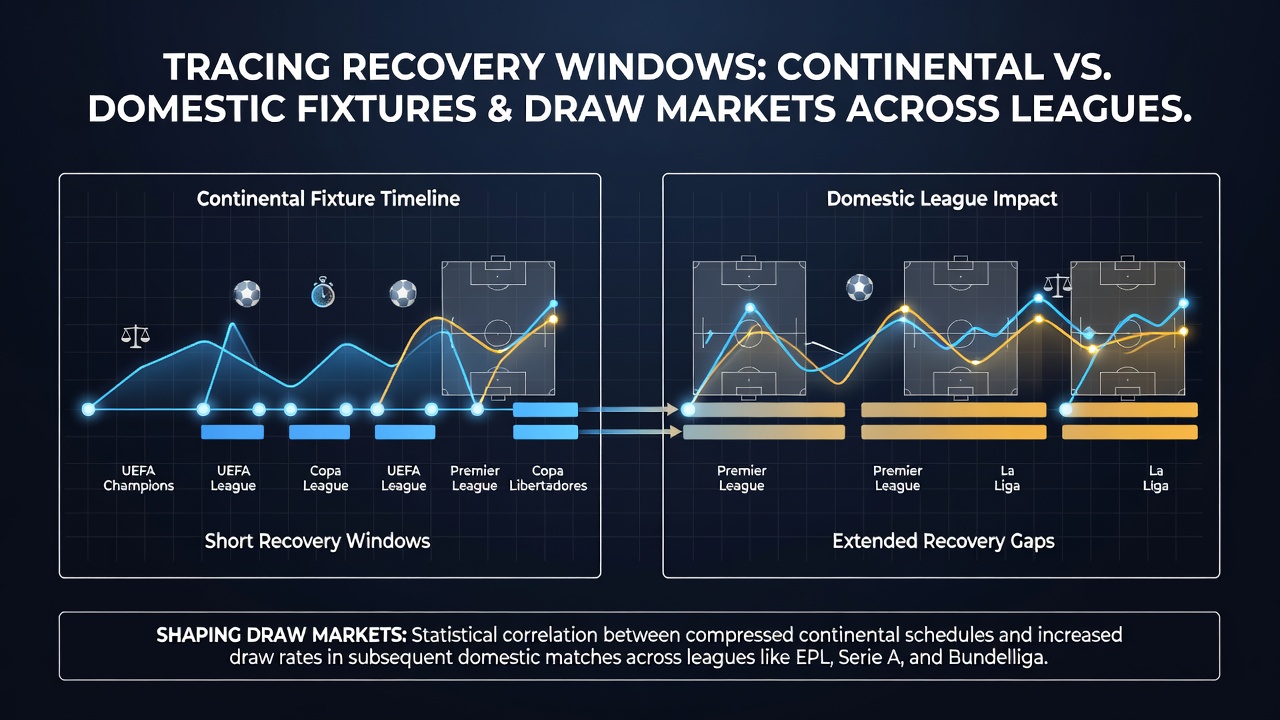
Football schedules create distinct recovery intervals when clubs move between continental competitions and domestic leagues, and analysts track these windows closely because they influence draw probabilities in betting markets. Teams returning from midweek European ties often face domestic opponents within three or four days, a timeline that produces measurable shifts in performance metrics across the Premier League, La Liga, Serie A, Bundesliga, and Ligue 1.
Researchers at sports science institutes compile fixture data to measure how limited recovery time correlates with higher draw rates. Studies indicate that squads traveling across time zones or playing extra time in continental ties show reduced high-intensity running in the subsequent domestic match, which in turn compresses goal tallies and elevates the likelihood of stalemates. Data from the 2024-25 season demonstrated that clubs with under 72 hours between continental and domestic fixtures recorded draw percentages roughly four points above their seasonal averages in multiple leagues.
Fixture Congestion Patterns Across Europe
Continental group-stage schedules generate clusters of midweek matches that intersect with weekend domestic rounds, and observers note consistent patterns once the calendar reaches October. In the Premier League, clubs participating in the UEFA Champions League typically encounter at least six instances per season where recovery falls below 80 hours, while Bundesliga teams experience similar compression during Europa League weeks. La Liga and Serie A fixtures reveal comparable overlaps, although travel distances within Spain and Italy sometimes shorten recovery further when teams cross the country for Thursday night games.
July 2026 introduces an additional variable because the FIFA World Cup concludes in mid-July, forcing clubs to integrate returning international players into pre-season blocks that already include early continental qualifiers. Scheduling models published by European confederations project that several top-flight sides will face domestic league openers within nine days of their final international commitments, a window shorter than the average post-summer break.
Market Reactions in Draw Betting Lines
Bookmakers adjust draw odds when recovery windows tighten, and historical price movements show gradual tightening of draw lines rather than abrupt swings. In Serie A, for example, teams returning from Champions League away fixtures see their draw odds shorten by an average of 0.4 points in the following domestic round, according to aggregated market data. Similar adjustments appear in the Bundesliga, where mid-table sides playing Europa Conference League matches midweek often attract shorter draw prices when hosting domestic opponents the subsequent weekend.
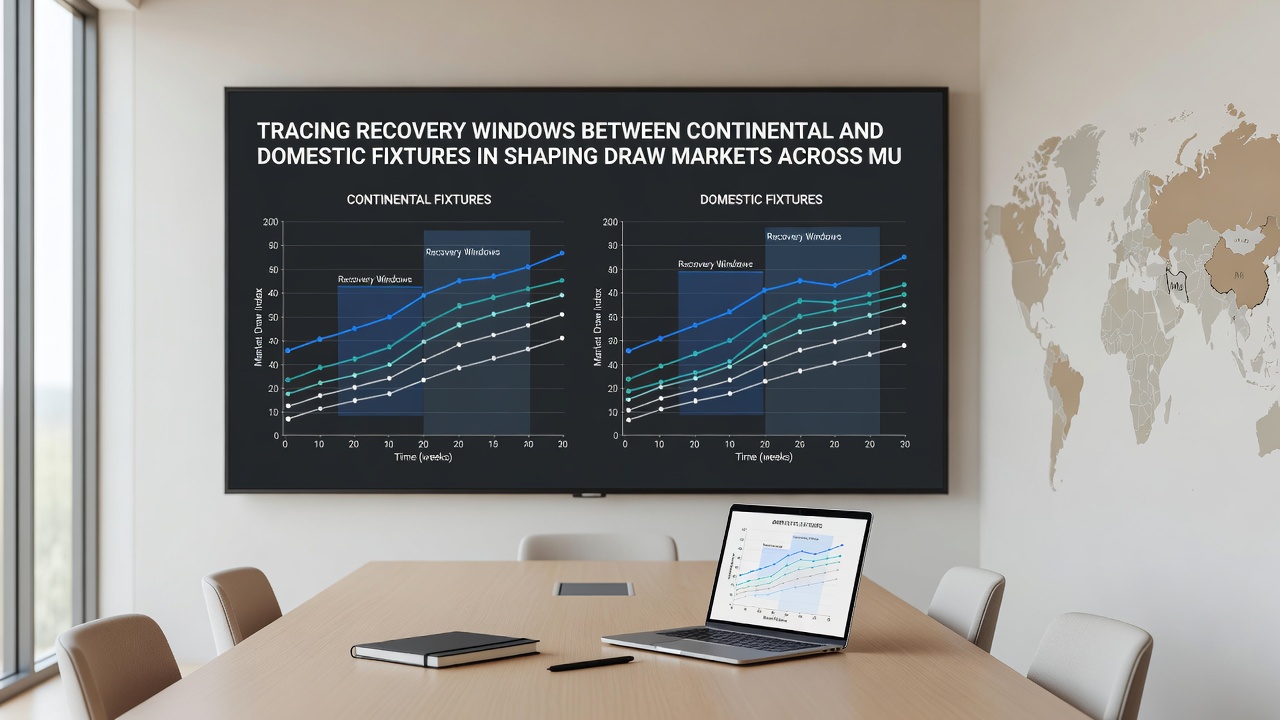
Analysts compare these adjustments against baseline draw frequencies recorded when teams enjoy full weeks between matches. The difference becomes statistically significant once recovery drops below 70 hours, a threshold crossed most frequently by clubs competing on two fronts simultaneously. European competition organizers publish annual fixture calendars that allow researchers to forecast these compressed periods months in advance, enabling systematic tracking of market responses across seasons.
League-Specific Variations in Recovery Impact
Each league exhibits distinct responses shaped by travel demands and squad depth. Bundesliga clubs benefit from shorter domestic travel distances, yet their high-tempo style amplifies fatigue when recovery windows narrow, producing elevated draw rates in Saturday fixtures following Thursday continental games. In contrast, Ligue 1 sides traveling from distant European venues encounter longer recovery deficits, and data sets covering the past five campaigns show a stronger correlation between flight time and subsequent draw outcomes.
Premier League and La Liga present hybrid patterns because both feature long-haul domestic trips alongside European obligations. Analysts examining five seasons of results found that draw frequency increased by five to seven percentage points when recovery fell between 60 and 75 hours, regardless of whether the continental fixture occurred at home or away. These increments hold across home and away domestic matches, although the effect appears slightly larger in away games where additional travel compounds fatigue.
Conclusion
Recovery windows between continental and domestic fixtures supply a measurable variable that shapes draw markets across Europe's major leagues. Fixture calendars published by confederations and statistical models developed by sports research groups allow systematic identification of periods when shortened rest correlates with higher draw probabilities. As the 2026 calendar incorporates post-World Cup adjustments, the same analytical frameworks remain applicable for tracking market movements tied to recovery intervals.