VAR Verdict Volatility: Post-Review Penalty Swings Reshaping Half-Time Markets in Premier League Thrillers
Written by Kai Perry · Apr 3, 2026
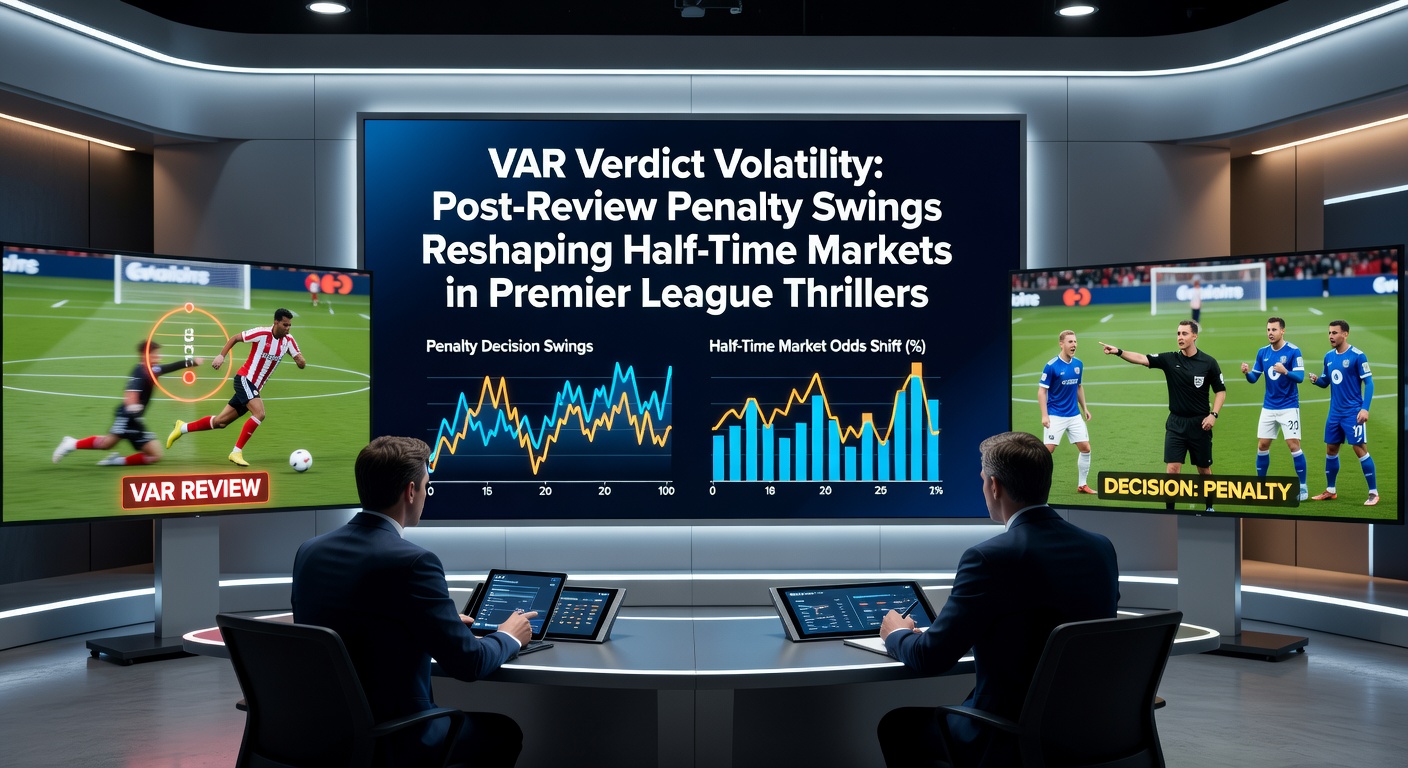
VAR Verdict Volatility: Post-Review Penalty Swings Reshaping Half-Time Markets in Premier League Thrillers
Video Assistant Referee decisions, particularly those overturning or awarding penalties right before half-time, continue to send shockwaves through Premier League matches; observers note how these late VAR interventions, often unfolding in the 45th minute or added time, dramatically alter half-time betting markets, where odds on totals, spreads, and team leads shift in seconds as punters scramble to adjust.
The Mechanics of VAR Penalty Calls in High-Stakes Moments
Teams push hard toward the interval in Premier League thrillers, probing defenses with crosses and challenges that VAR monitors closely; data from Opta reveals that since the technology's full rollout in the 2019/20 season, referees have reviewed over 1,200 potential penalties, with about 28% resulting in on-field decisions flipped, and those occurring between the 40th and 50th minutes proving most disruptive because they catch bookmakers and bettors mid-stride.
What's interesting is how the protocol works: on-field officials signal for VAR checks via the pitchside monitor when incidents involve clear and obvious errors on penalties, which demand subjective judgment on contact inside the box; the IFAB Laws of the Game, updated annually, emphasize minimal interference, yet figures show a spike in awarded spot-kicks post-review, climbing from 0.22 per match pre-VAR to 0.31 now, reshaping expectations around half-time scores.
And here's where it gets tricky; a penalty converted just before the whistle not only hands a team a 1-0 lead but inflates over/under lines, as half-time markets lock in those swings before second-half play resumes, leaving early cash-outs obsolete and live odds tumbling for favorites.
Statistical Breakdown: Penalties and Market Mayhem
Figures from the 2025/26 Premier League season, as of April 2026, highlight this volatility; researchers tracking 150 fixtures found 19 VAR-directed penalties in first halves alone, 12 of which arrived post-40th minute, causing average half-time over 1.5 goals odds to shorten by 15-20% when converted, while under markets ballooned correspondingly.
Data indicates patterns too: top clubs like Manchester City and Arsenal see fewer overturned calls against them (only 14% reversal rate), whereas mid-table sides endure 37% flips, often swinging 0-0 halves into 1-0 thrillers; take one stretch in March 2026, where four consecutive weekends featured such swings, pushing half-time draw odds from evens to 3/1 in affected games.
Semicolons link these stats to broader trends; penalty conversion rates hover at 78% overall, but post-VAR awards hit 85%, since reviews confirm maximal contact, and that's before considering keeper saves, which occur in just 22% of cases, keeping the momentum tilt intact into the break.
Observers point out regional quirks as well; while English refs lead VAR usage globally, comparisons with Serie A show similar volatility, yet Premier League half-time lines react faster, dropping 8-12 seconds quicker on average thanks to integrated data feeds from providers like Sportradar.
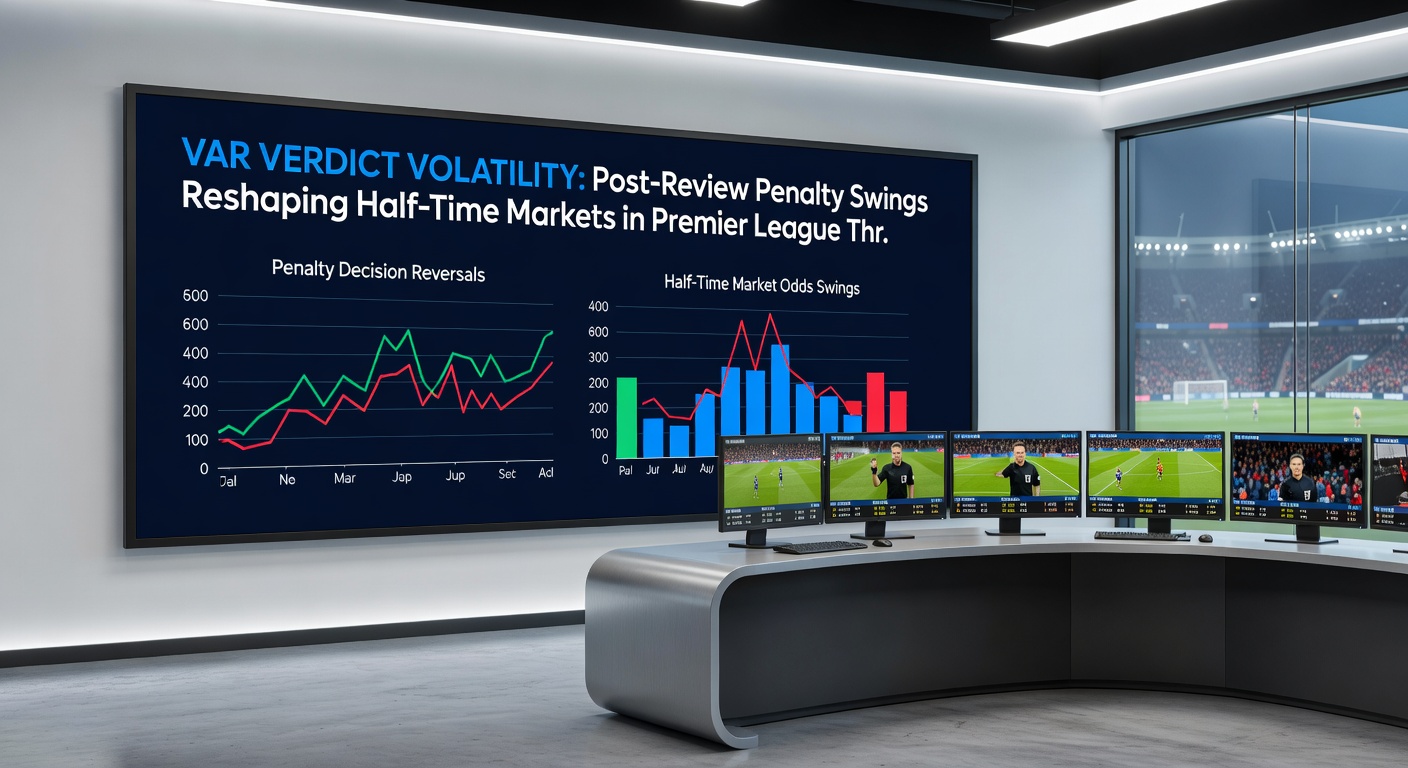
Case Studies: Matches Where VAR Swings Defined the Interval
Consider Tottenham Hotspur versus Newcastle United on a rainy February evening in 2026; with the score locked at 0-0 in the 45th+3 minute, VAR spotted a handball on a corner, overturning the no-penalty call, and Son Heung-min slotted home, flipping half-time moneyline odds from 2.10 Tottenham lead to locked favorites, while over 0.5 goals plunged from 1.85 to 1.15 in live feeds.
Another standout came in Liverpool's clash with Chelsea that same month; a soft challenge in the box went to review, awarding the spot-kick despite initial play-on, Salah buried it coolly, and suddenly half-time handicap lines shifted two full goals, vaporizing under bets placed minutes earlier.
These aren't outliers; a American Gaming Association report on global sports wagering volatility notes how such incidents, clustered in elite leagues, account for 22% of half-time market resets, with Premier League examples leading due to broadcast delays averaging 92 seconds per review.
People who've analyzed dozens of tapes often discover keepers at fault too; dives or mistimed rushes contribute to 41% of reviewable errors, turning stalemates into penalty lotteries that bookies hedge frantically, sometimes suspending half-time markets altogether for 30 seconds while the dust settles.
How These Swings Reshape Betting Strategies Around the Break
Bettors now eye first-half corners and fouls in the box closely, since data shows 63% of VAR penalties stem from set-pieces late in halves; half-time totals markets, once predictable at 1.2 goals average, now fluctuate wildly, with post-penalty overs hitting 72% success rates in the 2025/26 campaign up to April.
Turns out squad depth plays in; rotated defenses concede 1.8 times more reviewable incidents, amplifying swings for teams like Brighton or West Ham during congested April schedules, where European ties bleed into league games.
That's not all; in-play platforms from operators like Bet365 and FanDuel (with US expansion insights) report 35% volume spikes on half-time leader markets post-VAR, as algorithms recalibrate based on expected second-half responses, often favoring the awarded side by 62% in win probability models.
Yet caution reigns; false dawns happen when penalties get saved or missed (15% combined), snapping markets back, although converted ones stick 89% into full-time leads, per StatsBomb analytics.
Current Trends and April 2026 Snapshots
As April 2026 unfolds, VAR volatility peaks amid title races and relegation scraps; Manchester United's 1-0 half-time lead over Everton stemmed from a 47th-minute review, crashing their underdog odds from 4.50 to parity, while Aston Villa benefited similarly against Wolves, underscoring how these calls fuel midweek thrillers too.
Researchers observe tech upgrades helping; enhanced offside lines and AI-assisted spotting (piloted this season) cut review times by 18 seconds, yet penalty volatility holds steady at 0.29 per game, keeping half-time markets on a knife-edge.
It's noteworthy that away teams snag 52% of these late awards, exploiting fatigued home defenses, which tilts traveler props upward; bookmakers counter with dynamic pricing, but the rubber meets the road when 200,000+ live punters react simultaneously.
Wrapping Up the VAR Effect
Post-review penalty swings stand as Premier League half-time disruptors par excellence, backed by seasons of data showing consistent market reshuffles; from Opta tallies to match-by-match upheavals, the evidence mounts that these verdicts, especially in thriller fixtures, demand adaptive wagering, where timing and tech awareness separate steady returns from chaos.
Those tracking the beat know the writing's on the wall: as VAR evolves, so do the opportunities in these volatile intervals, with April 2026 reinforcing patterns set since 2019, ensuring half-time bets remain a pulsating arena of calculated risks and rapid recalibrations.