When dead balls decide: examining corner and free kick markets in tight EFL encounters
Written by Ellis Lehmann · Jul 11, 2026
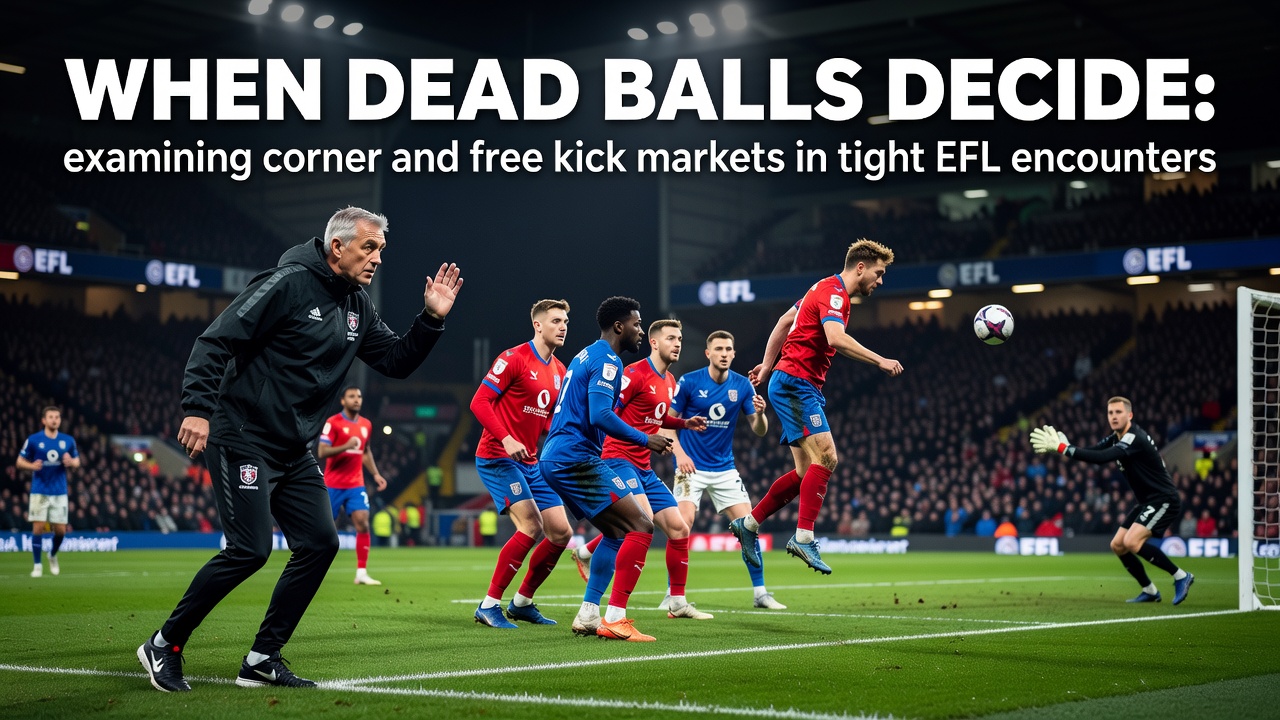
When dead balls decide: examining corner and free kick markets in tight EFL encounters
Dead ball situations continue to shape outcomes across the English Football League, where matches often hinge on narrow margins and structured defensive setups. Data from the 2025/26 campaign shows that corners and free kicks account for roughly 28 percent of all goals scored in Championship fixtures decided by a single goal or fewer, according to aggregated match reports compiled by Opta. League One and League Two encounters display similar trends, with tight games producing elevated volumes of set piece attempts as teams probe for openings late in contests.
Patterns in low scoring EFL fixtures
Observers note that games finishing 1-0 or ending level generate higher corner counts on average, reaching 11.4 per match compared with 9.8 across all fixtures. Free kick totals also rise when sides adopt cautious approaches, particularly after the 60 minute mark when substitutions introduce fresh delivery options. Research compiled by the European Club Association indicates these shifts occur consistently across promotion and relegation battles, where a single set piece goal can alter final standings.
Teams in the lower half of tables record fewer successful crosses from open play yet maintain comparable set piece conversion rates, highlighting how dead ball execution remains a leveller regardless of overall possession statistics. July 2026 pre season preparations already feature clubs drilling specific routines targeting zonal marking weaknesses identified in the prior campaign.
Corner market dynamics in close encounters
Betting operators adjust corner lines upward in matches projected to stay under 2.5 goals, reflecting historical volumes from similar scorelines. Figures reveal that Championship sides average 5.7 corners when trailing by one goal or fewer, with the away team often responsible for the majority after chasing results. League Two contests produce slightly lower totals yet demonstrate steadier over under thresholds once the first half concludes scoreless.
Analysts tracking these markets point to referee tendencies as an additional variable, since certain officials award more throw ins and corners near the attacking boxes during congested periods. One study released by the University of Loughborough examined 420 EFL fixtures and found that matches featuring two or fewer cards yielded 1.2 extra corners per game on average.
Free kick contributions and timing effects
Direct free kicks account for a smaller share of goals but influence match flow through defensive reorganisations and yellow card accumulations. Data indicates 14 percent of free kick goals in the EFL arrive between the 75th and 90th minutes, a window when fatigue reduces marking discipline. Indirect free kicks near the penalty area generate secondary opportunities via flick ons, with League One sides converting 9 percent of such situations into shots on target during the most recent full season.
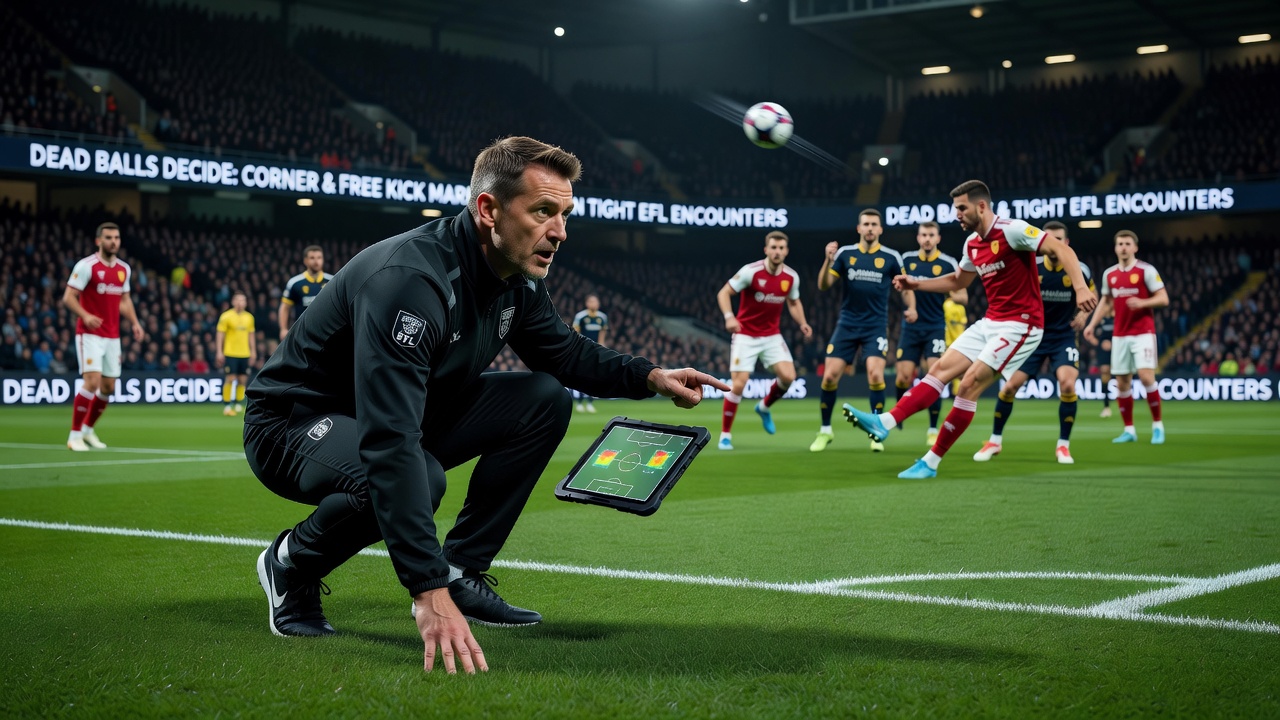
Markets for player shots and assists from dead balls respond accordingly, with central defenders and target forwards seeing line movements when teams list set piece specialists in starting lineups. External factors such as pitch conditions further modulate these statistics, though comprehensive figures from the Australian Sports Commission on artificial surfaces remain limited for domestic comparison.
Market responses and statistical indicators
Bookmakers incorporate team specific set piece data into pre match lines, adjusting totals based on historical delivery accuracy and aerial duel win rates. Corners over 10.5 lines appear more frequently in fixtures between mid table sides, where attacking intent balances defensive caution. Free kick markets show smaller liquidity yet react sharply to late team news regarding injured delivery specialists.
Those monitoring in play adjustments report that a corner awarded in the final 15 minutes often triggers rapid line shifts, particularly when the scoreline remains level. Evidence from the 2025/26 season confirms these movements occur across all three EFL divisions with comparable frequency.
Conclusion
Dead ball situations represent measurable components within EFL match outcomes, especially in encounters decided by slim margins. Statistical records demonstrate consistent patterns across corners and free kicks that influence both final scores and associated betting markets. Continued analysis of delivery quality, timing, and referee patterns provides ongoing reference points for those examining these elements season after season.